Introduction
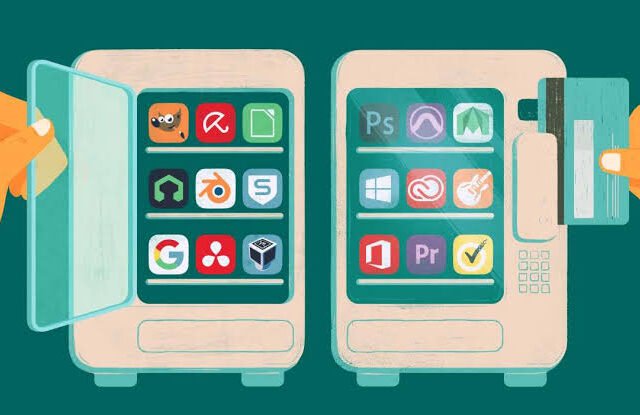
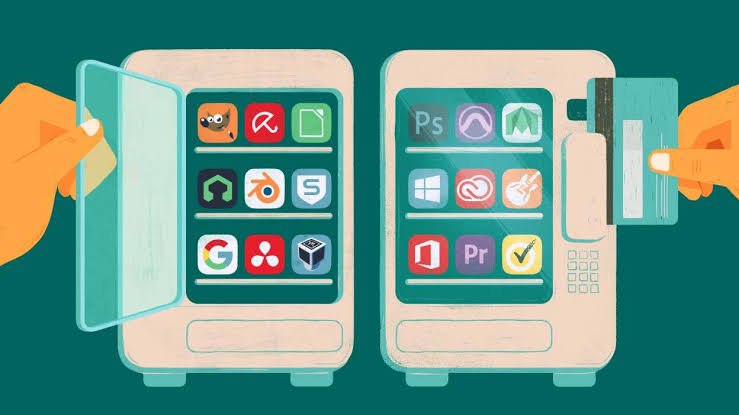
A small business owner I know was paying nearly $50 a month for design software he used maybe twice a month. When I showed him a free alternative that did 90% of what he needed, he looked genuinely annoyed at himself. If you’re tired of subscription costs piling up, these free software alternatives aren’t compromises — for a lot of everyday use cases, they’re genuinely comparable to what you’re currently paying for.
Why Free Software Has Gotten So Much Better
Direct answer: free software alternatives have improved significantly because open-source communities and freemium business models now fund serious development, closing much of the gap that used to exist between free and paid tools for everyday use cases — though advanced, specialized features still often require paid versions.
I was skeptical of this shift for years. Then I actually compared feature sets side by side and had to admit the gap had genuinely narrowed.
Document and Office Software
You don’t need an expensive office suite subscription for basic document, spreadsheet, and presentation work anymore.
- Free suites now support most formatting features regular users actually need
- Cloud-based options allow real-time collaboration without extra cost
- Compatibility with common file formats has improved significantly, reducing the old “formatting breaks” problem
Picture a student writing assignments and creating presentations entirely on free software, never once hitting a genuine limitation for typical coursework.
Design and Photo Editing Tools
This category has seen some of the most dramatic improvement. Free design tools now offer templates, layering, and basic photo editing that used to require expensive specialized software.
[link to related guide about best free photo editing apps here]
- Great for social media graphics, basic photo touch-ups, and simple layouts
- Browser-based options mean no installation or powerful hardware required
- Advanced photo manipulation still often favors paid tools, worth noting honestly
Video Editing Without the Subscription
A few years ago, decent video editing meant paying monthly for professional software. Free alternatives have closed much of that gap for casual and even semi-professional use.
Numbers worth noting: some free video editors now support features like multi-track editing and basic color correction that were exclusively paid-tier features just three or four years ago.
Project Management and Collaboration Tools
Small teams especially benefit here. Free project management tools now offer task boards, deadline tracking, and basic team collaboration without needing a paid tier immediately.
- Many free tiers support small teams (5-10 users) comfortably
- Integration with other free tools has improved, reducing workflow friction
- Paid tiers usually only become necessary once teams scale significantly
[link to related guide about best project management software here]
Accounting and Invoicing Software
For freelancers and small businesses just starting out, free accounting tools handle basic invoicing, expense tracking, and simple reporting reasonably well.
I’ll be honest — once a business grows more complex, paid software often becomes genuinely worth it for tax compliance features. But for getting started? Free tools are often more than sufficient.
[link to related guide about cloud computing for small business here]
Where Free Software Genuinely Falls Short
It’s worth being upfront about limitations rather than pretending free tools do everything:
- Advanced features often stay locked behind paid tiers, which is fair
- Customer support is typically slower or community-based only
- Some free tools include ads or occasional upsell prompts, which can feel intrusive
How to Choose the Right Free Tool for Your Needs
Don’t just download the most popular option. Match the tool to your actual use case — a freelancer’s needs differ significantly from a small team’s needs, even within the same software category.
Suggested image alt text: “Person comparing free software options on a laptop screen for business use”
FAQ
Q: Are free software alternatives safe to use? A: Reputable ones generally are, but always download from official sources and check reviews — avoid random third-party download sites.
Q: Can free software fully replace paid business tools? A: For many small businesses and individuals, yes, at least initially. Growing complexity may eventually justify paid upgrades.
Q: What’s the catch with free software? A: Usually limited advanced features, slower support, or occasional upsell prompts — rarely hidden costs if you’re using a reputable provider.
Q: Are free design tools good enough for professional work? A: For basic to intermediate design needs, often yes. Highly specialized professional work may still benefit from paid software.
Q: How do I know if a free tool is trustworthy? A: Check for an active development community, recent updates, and genuine user reviews rather than just download counts alone.
Conclusion
Exploring free software alternatives before committing to a paid subscription can genuinely save meaningful money without sacrificing much functionality, especially for everyday personal and small business needs. Try the free version first, hit its actual limits before upgrading, rather than assuming you need premium from day one. Which paid subscription have you been meaning to reconsider?