Introduction
My first month working remotely, I genuinely got less done than I did in an office — turns out, no commute doesn’t automatically mean more focus. If you’re struggling with the same thing, these best productivity apps for remote work aren’t just another generic list. They’re the ones that actually addressed specific problems — distraction, disorganized communication, and blurred work-life boundaries — that come with working outside a traditional office.
Why Remote Work Needs Different Tools Than Office Work
Direct answer: remote work requires productivity apps that replace informal office structure — the quick desk check-ins, visible deadlines on a shared board, natural separation between work and home — with deliberate digital systems, since none of that happens automatically at home.
I underestimated this for months, assuming productivity would just transfer naturally. It didn’t, until I built intentional systems around it.
Time Tracking and Focus Apps
Without a manager glancing over occasionally, self-accountability becomes the whole game. Time tracking apps help you actually see where your hours go, which is often surprising.
- Pomodoro-style timers help break work into focused intervals with built-in breaks
- Automatic time tracking shows exactly how long tasks genuinely take, not how long you think they take
- Website and app blockers during focus periods reduce constant distraction
Picture realizing you spent ninety minutes on “quick email checks” throughout a single day — that kind of visibility genuinely changes behavior.
Communication Tools That Don’t Feel Overwhelming
Remote teams live or die by communication quality. But too many notifications create their own kind of chaos.
[link to related guide about best free video calling apps here]
- Organized channels by topic prevent important messages from getting buried
- Async video messages reduce the need for constant live meetings across time zones
- Status indicators help teammates know when you’re actually available versus focused
Task and Project Tracking Apps
Personal task management matters even more when working remotely, since nobody’s physically checking in on your progress throughout the day.
[link to related guide about best project management software here]
Numbers worth noting: workers using dedicated task-tracking apps report completing significantly more planned tasks per week compared to relying solely on memory or scattered notes, according to several remote-work productivity surveys.
Apps for Managing Work-Life Boundaries
This category gets overlooked, but it matters enormously for remote work sustainability. Without a physical office to leave, work can quietly bleed into every hour of the day.
- Scheduled “do not disturb” modes that actually enforce boundaries after work hours
- Calendar blocking apps that protect personal time as seriously as work meetings
- End-of-day shutdown routines built into some productivity apps, surprisingly effective
I resisted this idea initially — felt unnecessary. It wasn’t. My evenings genuinely improved once I started using scheduled boundaries.
Note-Taking and Knowledge Organization
Remote work generates a lot of scattered information — meeting notes, quick ideas, reference links. Without a system, it all disappears into forgotten browser tabs.
- Searchable note apps prevent important information from getting permanently lost
- Tagging and organization features help retrieve information months later
- Cross-device sync means notes are accessible whether you’re on laptop or phone
Cloud Storage and File Sharing
Remote collaboration genuinely requires reliable, accessible file sharing — emailing documents back and forth stopped being practical years ago.
[link to related guide about best cloud storage services here]
- Real-time collaborative editing avoids version confusion between team members
- Automatic backup protects against local hardware failure
- Access permissions matter more with remote teams spread across various networks
Avoiding Productivity App Overload
Ironically, using too many productivity apps can itself become unproductive. Constantly switching between five different tools creates its own friction.
- Pick one tool per core function — one for tasks, one for notes, one for time tracking
- Avoid apps that duplicate functionality you already have covered elsewhere
- Reevaluate your toolkit every few months rather than constantly adding new apps
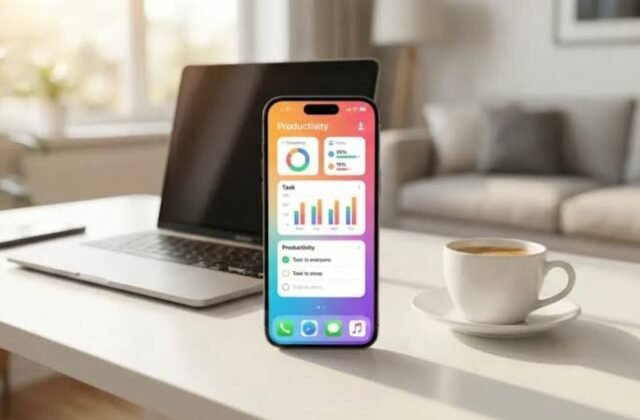
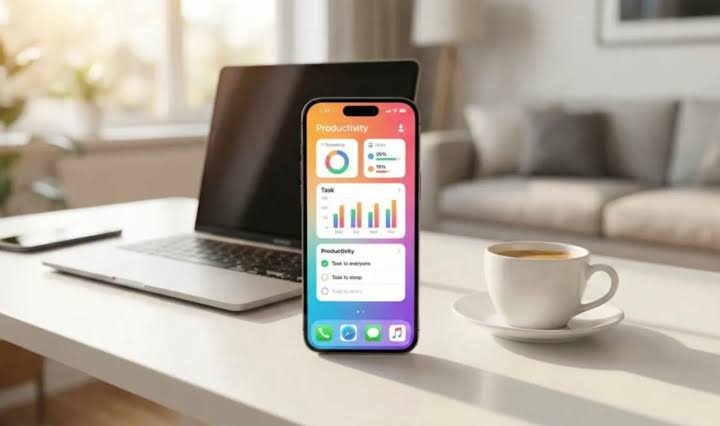
Suggested image alt text: “Person working remotely at a home desk using productivity apps on laptop and phone”
FAQ
Q: What’s the best productivity app for remote workers just starting out? A: A simple task-tracking app combined with a basic time-tracking tool covers the most common early struggles for new remote workers.
Q: Do I need separate apps for work and personal tasks? A: Many people find it helps maintain boundaries, though some prefer one unified system — it depends on personal preference.
Q: How can productivity apps help with work-life balance while remote? A: Scheduled do-not-disturb settings and calendar boundary-blocking features genuinely help enforce limits that don’t happen automatically at home.
Q: Are free productivity apps good enough for remote work? A: For individuals and small teams, often yes — many core productivity needs are covered well by free tiers.
Q: How many productivity apps should I realistically use? A: Fewer than you think — three to four well-chosen apps covering distinct functions usually beats a scattered collection of ten.
Conclusion
The best productivity apps for remote work aren’t about downloading everything available — they’re about solving your specific friction points, whether that’s focus, communication, or boundaries. Start with the one area causing you the most trouble right now, and build from there. Which part of your remote workday needs the most help today?