Introduction
The first time someone tried explaining machine learning to me, they used the word “algorithm” nine times in two minutes. I understood nothing. If you’re starting a machine learning for beginners journey and every resource feels like it’s written for someone who already knows the answer, this one’s different. No heavy math upfront, no assumption you’ve coded before. Just a straight explanation of what this stuff actually is and how to start learning it properly.
What Machine Learning Actually Means
Direct answer: machine learning is a way of teaching computers to recognize patterns in data and make predictions or decisions without being explicitly programmed for every single scenario. Instead of writing rules like “if X then Y,” you feed the system examples, and it figures out the pattern itself.
Think of it like teaching a kid to recognize dogs — you don’t list every possible dog breed and color. You show enough pictures, and they start recognizing dogs on their own, even ones they’ve never seen.
Related Best AI Tools for Productivity in 2026 (Tried & Tested)
The Three Main Types You’ll Hear About
This trips up most beginners, so let’s simplify it:
- Supervised learning — you give the system labeled examples (this is a cat, this is a dog), and it learns to classify new examples
- Unsupervised learning — no labels, the system finds patterns and groupings on its own
- Reinforcement learning — the system learns through trial and error, getting rewarded for good decisions, like how a game-playing AI improves
Most beginner projects start with supervised learning because it’s the most intuitive to understand.
Do You Need to Know Math First?
Honestly? A little helps, but you don’t need to master it before starting. Basic statistics and some algebra go a long way. I started building simple projects before I fully understood the math behind them, and that hands-on approach actually made the math click faster later.
[link to related guide about best online learning apps here]
Picking Your First Programming Language
Python dominates this space for good reason — readable syntax, huge community, and countless free tutorials. You don’t need to be a programming expert. Basic Python fundamentals are enough to start experimenting within a few weeks of consistent practice.
- Python: best overall choice for beginners, most learning resources available
- R: strong for statistics-heavy work, less beginner-friendly overall
- No-code ML tools: good for experimenting with concepts before committing to coding
Free Resources Worth Your Time
You genuinely don’t need an expensive course to start. Some of the best machine learning for beginners resources are free or nearly free.
Numbers worth noting: several free platforms report over a million learners completing beginner ML courses annually, which tells you the demand — and the availability — is real.
- Structured beginner courses with hands-on projects, not just video lectures
- Free datasets to practice on (many public datasets exist for exactly this purpose)
- Community forums where you can ask “dumb” questions — everyone started somewhere
Your First Project Shouldn’t Be Ambitious
I made this mistake early on — trying to build something complex before understanding the basics. Start small. A model that predicts house prices based on size and location. A model that classifies emails as spam or not.
Picture spending a weekend building something that predicts whether it’ll rain tomorrow using historical weather data. Small, achievable, and it teaches you the entire pipeline — data, training, testing, evaluating.
Common Beginner Mistakes to Avoid
- Jumping straight into deep learning before understanding basic concepts
- Ignoring data cleaning — messy data ruins even good models
- Comparing yourself to advanced practitioners too early; everyone’s timeline is different
- Skipping the “why” behind an algorithm and just copying code
[link to related guide about best AI tools for productivity here]
How Long Does It Actually Take to Get Good?
There’s no universal timeline, but most people building real, functional projects within 3-6 months of consistent, focused practice. Consistency beats intensity here — an hour a day beats a weekend cramming session almost every time.
Suggested image alt text: “Beginner coding a simple machine learning model on a laptop with visible data charts”
FAQ
Q: Is machine learning hard to learn for beginners? A: It has a learning curve, but starting with simple, hands-on projects makes it far more approachable than diving into theory first.
Q: Do I need a computer science degree to learn machine learning? A: No. Many self-taught practitioners build solid careers through online courses, projects, and consistent practice.
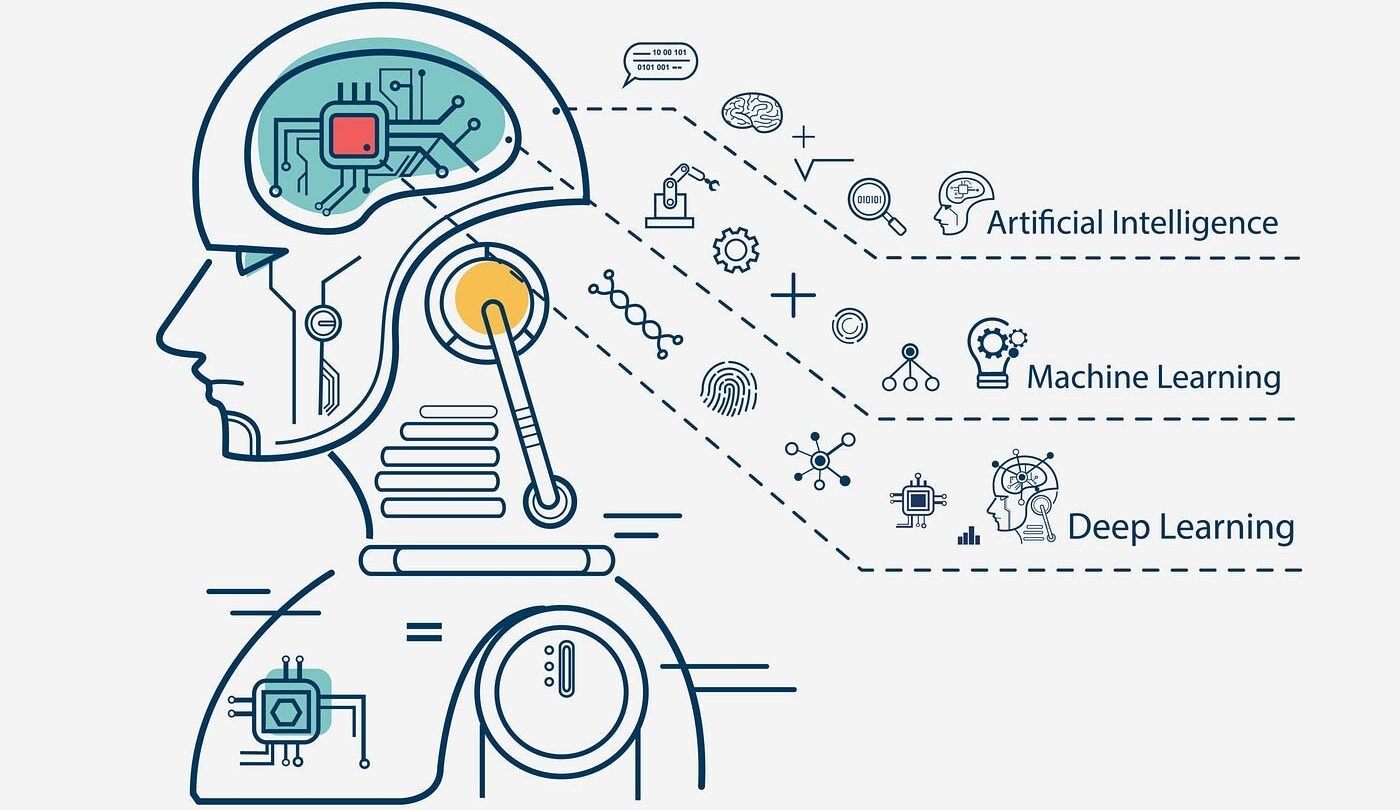
Q: What’s the difference between AI and machine learning? A: AI is the broader concept of machines simulating intelligence; machine learning is one specific approach to achieving that, based on learning from data.
Q: What programming language should beginners learn first for ML? A: Python, mainly because of its simplicity and the sheer volume of beginner-friendly resources available.
Q: How much math do I need before starting machine learning? A: Basic statistics and algebra are enough to start. Deeper math becomes more relevant as you progress to advanced techniques.
Conclusion
Starting a machine learning for beginners path doesn’t require a perfect plan or an expensive course. It requires picking one small project and actually finishing it, messy mistakes included. The concepts click faster through doing than through reading alone. So — what’s one small dataset you could experiment with this week? That’s genuinely the best place to begin.