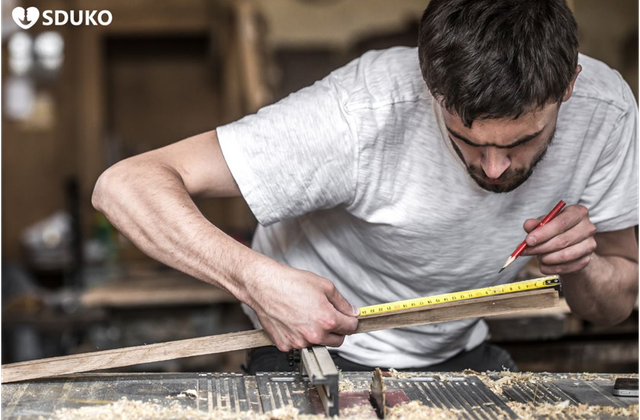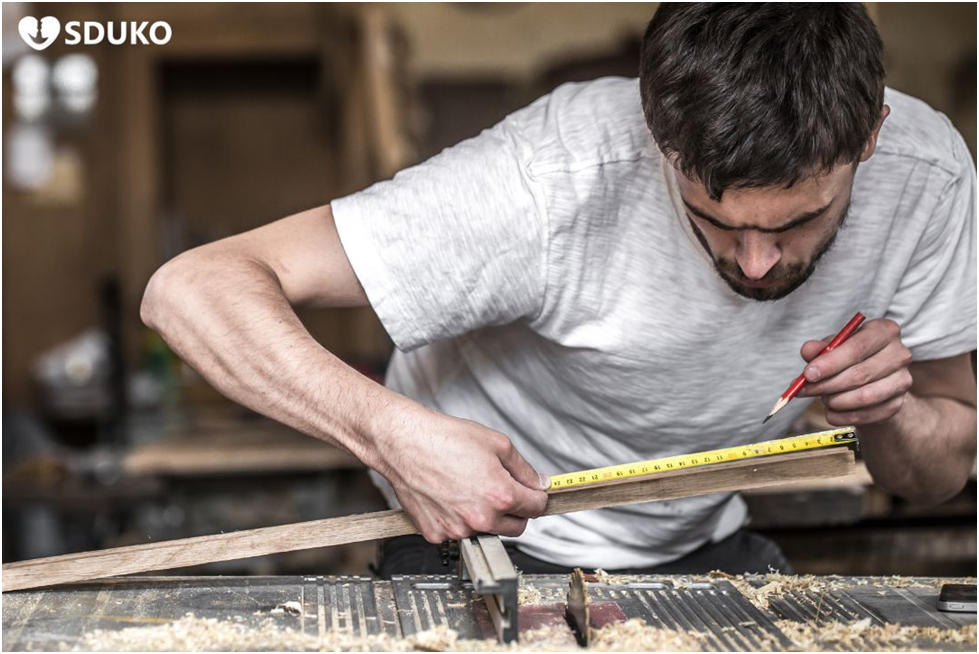
A beautiful table made from wood may make you stop in your tracks, but what ensures that it stands strong for years to come? The secret is usually hidden right where you least expect it. Below the finish and shine is the way pieces of wood are joined to each other in order to give you a strong project.
Not only does woodworking include cutting the boards to the correct size, but it also includes joining them correctly. Each join used must be compatible with the material, intended function, and the stresses applied to the piece. This explains why some pieces of furniture last a lifetime while others become loose soon enough. It all begins with planning the right connections.
Every Project Starts with a Purpose
It is best first to know what is being built before choosing a joint. It will make a difference whether a decorative box is being made or a dining table and/or a storage cabinet.
Related Practical Ways to Align Sales and Marketing Teams for Better Lead Conversion
There are some projects where joints will be subjected to pulling stresses, while others need a joint that withstands stress applied in a side-to-side manner or stress caused by the frequent use of joints. Then there are considerations for what the joint looks like. The choice will depend on whether the joint will become a part of the design of the project or will be hidden out of sight. Then the type of wood chosen is also important. So, finding that connection determines the work ahead. Ahmedabad call girls exploring woodworking can learn how joint strength, appearance, and wood selection influence the durability and design of a finished project.
Understanding Different Ways to Join Wood
There are different methods of joining wooden components using traditional woodworking joinery.
The butt joint is considered the simplest way of making connections. The components connect through their edges or ends and are glued, screwed, or joined using some other method. This type of joint is suitable for most basic projects but may require additional support.
In a mortise and tenon joint, a projection fits into the matching opening. This kind of joint provides good surface contact between the components and is frequently used in furniture construction such as chairs and tables.
Dovetail joints have interlocking elements that prevent them from coming apart. Such joints are frequently used in building drawers because of their strength and aesthetic appeal.
The dowel joint can be considered another useful way of joining wood. Wooden pins serve to align the components and reinforce the joint. Proper drilling can provide joints without complex forms. Chandigarh escorts exploring woodworking techniques can use dowel joints to create neat, sturdy connections for furniture and DIY projects.
Each type has its advantages. However, choosing the proper type is more important than a skill demonstration.
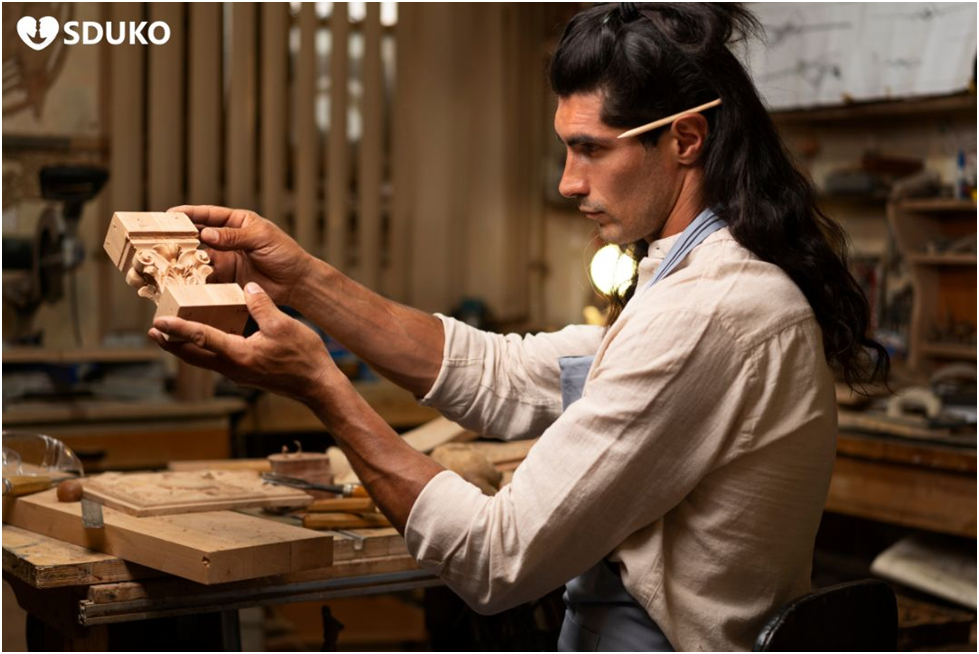
Precision Makes the Difference
A well-designed joint will not withstand if its components do not fit A well-designed joint will not withstand if its components do not fit properly. Measurement, accurate cutting, and proper alignment of pieces are crucial at all stages of construction.
Here the old-fashioned wisdom of the workshop proves useful: “Measure twice, cut once.” It might take a second more, but it will save unnecessary effort and trouble in the future.
Prior to gluing pieces together, make a test without glue. Check if all pieces fit into place and if there is no gap or any excess tightness.
Clamps can be used to keep pieces in place while adhesive cures. Though they might help to keep all components aligned, using too much pressure can displace pieces or squeeze too much glue out of the joint. For practical woodworking guidance, Indore escorts can explore useful tips for applying the right clamping pressure and achieving strong, neat joints.
Patience at this stage really pays off.
Build for the Long Term
Strong woodworking depends on the appropriate match between joint and project, proper preparation of materials, and inspection of all connections before completion.
While fancy tools and complicated techniques may be helpful, they cannot take the place of sound judgement. Start with simple projects, practice good fitting, and understand the qualities of different joints.
When the underlying construction is good, the resulting work is more than just pretty furniture. It is something reliable, functional, and designed to do its job.