Introduction
I spent an embarrassing amount of time last year switching frameworks mid-project because I picked one based on hype rather than what the project actually needed. Lesson learned. If you’re trying to figure out the best web development frameworks 2026 has to offer, this isn’t a “top 10, all equally great” list. Some genuinely fit certain projects better than others, and pretending otherwise wastes your time the way it wasted mine.
What “Best” Actually Depends On
Direct answer: the best web development framework in 2026 depends entirely on your project type — React and its ecosystem still dominate for complex interactive apps, while simpler frameworks or even no-framework approaches work better for content-focused sites. There’s no single universal winner, despite what framework fanbases insist online.
I’ve built projects where a heavier framework was overkill, and others where a lighter tool genuinely couldn’t handle the complexity needed.
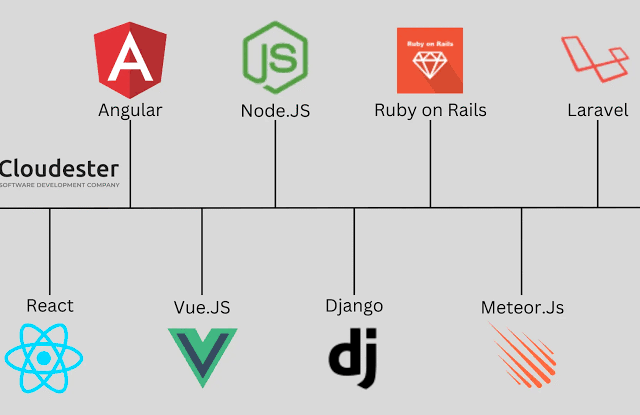
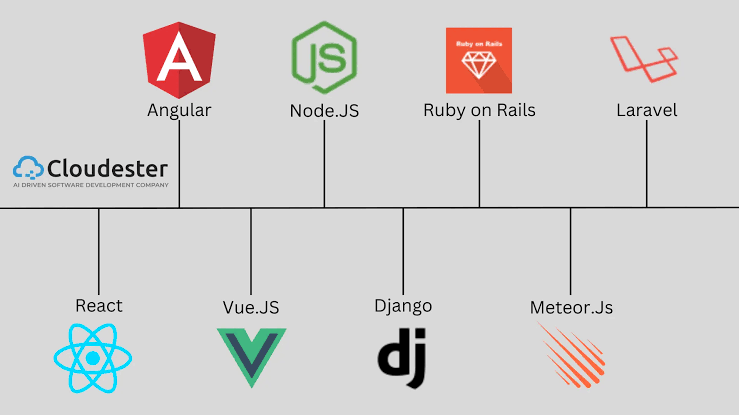
Frontend Frameworks Worth Learning
For anyone building interactive, user-facing interfaces, a handful of frameworks still lead the pack, each with real trade-offs.
- React remains the most in-demand skill for job listings, with the largest ecosystem of libraries and community support
- Vue offers a gentler learning curve, popular for teams wanting fast onboarding
- Svelte compiles to smaller, faster code, gaining traction for performance-sensitive projects
Picture a small agency building client websites quickly — Vue’s simplicity often wins there, while React dominates for larger, longer-term product builds.
Backend Frameworks That Still Hold Up
Backend choice matters just as much, though it gets less social media attention than frontend trends.
[link to related guide about cloud computing basics here]
- Node.js with Express remains popular for JavaScript-first teams wanting one language across the stack
- Django (Python) continues to be strong for rapid development with built-in security features
- Laravel (PHP) still powers a huge share of the web, especially for content-heavy sites
Full-Stack Frameworks Simplifying Development
A growing trend among the best web development frameworks 2026 offers is full-stack frameworks that handle both frontend and backend concerns together, reducing setup complexity.
Numbers worth noting: developer surveys show full-stack framework adoption has grown noticeably year over year, as teams look to reduce the overhead of managing separate frontend and backend toolchains.
Static Site Generators for Content-Heavy Projects
Not every website needs a complex framework. For blogs, documentation sites, and marketing pages, static site generators offer speed and simplicity that heavier frameworks can’t match.
- Faster load times since pages are pre-built rather than rendered on each request
- Better for SEO in many cases, due to consistent, fast-loading content
- Lower hosting costs since static files require minimal server resources
[link to related guide about best free software alternatives here]
How to Actually Choose for Your Project
Instead of chasing what’s trending, ask a few honest questions first:
- How interactive does the site genuinely need to be?
- What does your team already know, and is switching worth the ramp-up time?
- Is long-term maintenance a priority, or is this a quick, short-lived project?
I’ve seen too many developers pick a trendy framework and then struggle with basic tasks a simpler tool would’ve handled easily.
Learning Curve Considerations for Beginners
If you’re just starting out, don’t try to learn everything simultaneously. Pick one frontend framework and one backend approach, build a few real projects, and expand from there once you’re comfortable.
[link to related guide about machine learning for beginners here]
Framework Fatigue Is a Real Thing
Has this happened to you — spending more time evaluating frameworks than actually building anything? It’s an easy trap. At some point, picking something reasonably solid and just building beats endlessly optimizing your initial choice.
Suggested image alt text: “Developer comparing web development framework documentation on a laptop screen”
FAQ
Q: What’s the most in-demand web development framework in 2026? A: React continues to lead in job market demand, though Vue and Svelte are growing steadily in popularity for specific project types.
Q: Should beginners learn React or Vue first? A: Vue’s gentler learning curve makes it friendlier for absolute beginners, though React offers broader long-term job opportunities.
Q: Do I need a framework for a simple website? A: Not necessarily — static site generators or even plain HTML/CSS often work better for simple, content-focused websites.
Q: What backend framework pairs well with React? A: Node.js with Express is a popular pairing, allowing JavaScript across both frontend and backend for a unified codebase.
Q: How often should I switch frameworks to stay current? A: Rarely, if ever, mid-career. Deep expertise in one solid framework usually outweighs shallow familiarity with several trending ones.
Conclusion
Chasing the best web development frameworks 2026 has to offer matters less than picking the right tool for your specific project and actually building something with it. Match your choice to project needs, not trending GitHub star counts. What kind of project are you building next — that’s genuinely the best starting point for your framework decision.